
How Often to Use Red Light Therapy for Hair Growth – The Perfect Usage Guide
Struggling with hair loss can be frustrating, and many people with hair loss may find it challenging to identify the right treatment. You might be asking yourself if you should start red light therapy for hair regrowth.
This leaves lots of people wondering what in the world to think about how often to use red light therapy for hair growth. In recommendations, it is preferred to expose the scalp to the red light about 2 to 3 times a week for about 15 to 20 minutes.
Now, we will cut through the noise and give you precise, science-based advice on how frequently to use red light therapy for maximum gains in hair growth. By doing so, you can regain your lost confidence and get back in the driver’s seat of your hair for good.
What is Red Light Therapy?
Red light therapy (RLT) is a revolutionary procedure in the medical sciences. It provides a lot of benefits for skin health and healing wounds. Red light therapy for hair growth is used to increase healing power by using photons to activate cellular respiration which then produces more energy and enhances the healing power. Mitochondria, the powerhouse of the cell, then stimulates with bioactive light at a specific frequency.
It produces more ATP (adenosine triphosphate), our body’s energy currency. With its fast healing power, it is used to treat hair loss. Red light therapy activates our immune system to recover faster and heal quickly, which leads to better hair growth. This can be experienced in the comfort of your home with few devices.
Is Red Light Therapy a Safe Treatment for Hair Growth?
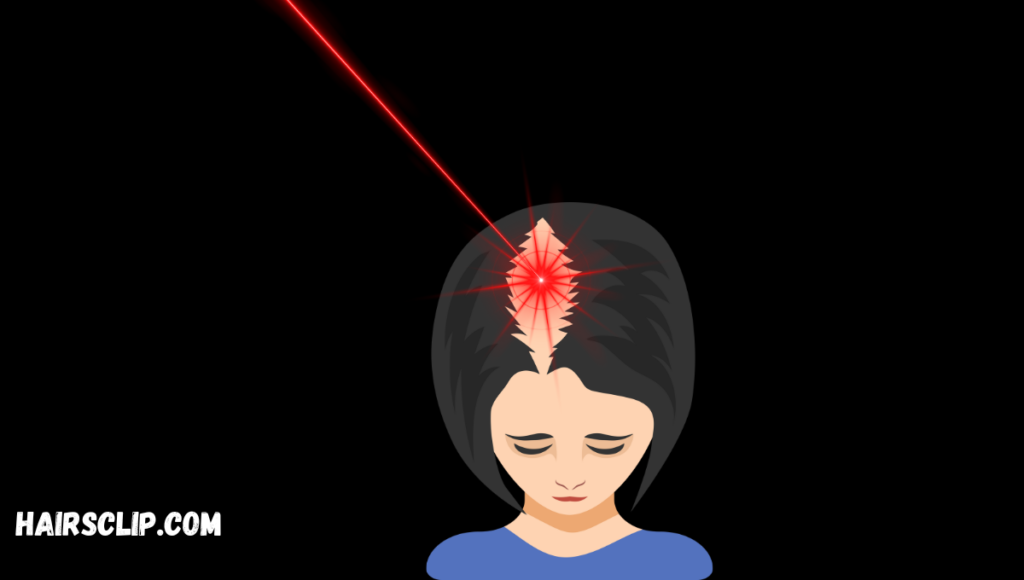
Red light therapy is a safe and popular treatment for hair loss, including genetic types common in people over 35. It uses LED lights that emit red light in the wavelength of range 630-670 nm, which helps stimulate hair growth. For men, it usually targets a receding hairline and bald spots on the crown, while for women, it helps with overall thinning. In both cases, red light therapy can be beneficial.
Benefits of Red Light Therapy for Hair Growth
There are many benefits of this method, but for hair loss treatment, we have the following:
1. Non-Invasive Treatment
The rays from red light therapy are similar to those we experience daily from sunlight but are at a lower intensity, reducing the risk of damage and other side effects associated with sunlight. The rays from red light therapy enhance cellular function.
2. Improved Scalp and Hair Health
We already discussed that mitochondria are the powerhouse of the cell, and provide energy to the cell. Mitochondria in plants use sunlight to produce energy for the plants. Similarly, in humans, the red light rays stimulate mitochondria to produce more ATPs which then promote hair growth.
3. Minimal Side Effects
The sun is our natural source of red and near-infrared light. However, its rays expose us to dangerous UV and UVB rays. Red and near-infrared light from intense laser and LED methods activates our cells without causing a risk of burns or sun damage.
How to Use Red Light Therapy for Hair Growth
By stimulating hair follicles using visible red light (630–660 nm) and near-infrared radiation (850 nm), red light therapy boosts hair growth. Over 4,000 studies have shown the safety as well as effectiveness of this medication in curing a range of ailments, including weight loss, acne, and cellulite.
How Red Light Therapy Work?
Red light therapy activates the cells of hair follicles to promote new hair growth. It is most advantageous When combined with other topical hair loss therapies.
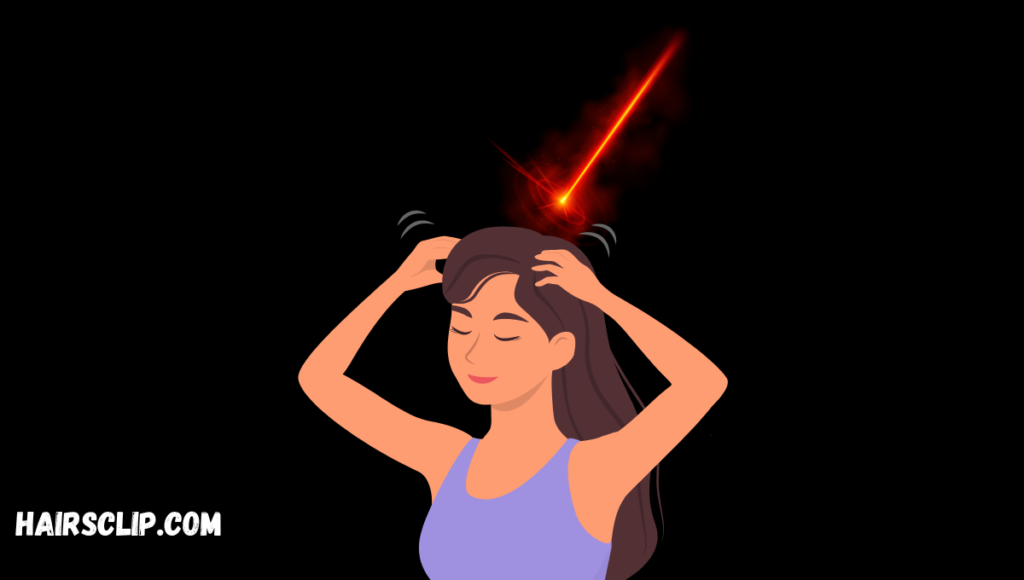
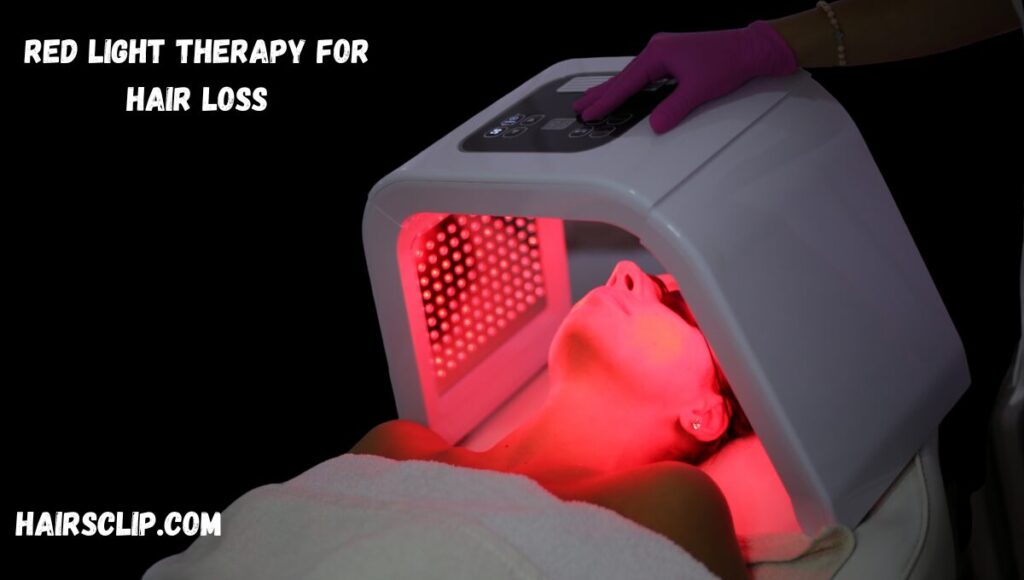
Choose a red light therapy panel with an exposure of more than 100 mW/cm2 for the best results. First, you need to set up a red light machine according to the instructions provided by the manufacturer.
After setting up the device, bring your head close to the area where the red light is emitting. You should hold this position for 20 minutes. Consistency is necessary for the most effective results.
Recommended Frequency of Use
Initial Phase: To boost hair growth, practice every other day with periods ranging from 15 to 20 minutes.
Maintenance Phase: To maintain progress, decrease the frequency to two to three times per week after three to four months.
Avoid excessive usage or underusing, as these may impact effectiveness, by following the directions provided by the manufacturer.
Factors Affecting Therapy Frequency
Hair Growth Goals
In comparison with regular care, greater number of sessions could be required for serious hair loss.
Scalp Condition
Alterations in frequency may be essential for conditions such as inflammation of the scalp.
Device Type
The frequency of use of a device is measured by the light intensity it releases. In contrast to larger machinery, handheld devices might need longer or more regular use.
Pro Tip
To properly personalize your treatment plan, keep a hair growth diary to record your sessions and monitor improvements in hair density and scalp health.
Red Light Therapy vs. Other Hair Loss Treatments
1. Medication
Hair loss treatments like finasteride and minoxidil may disable hormones that cause the loss of hair or encourage hair growth.
Minoxidil
Minoxidil is a commonly utilized non-prescription solution that is topically given to the scalp. It promotes increased circulation to the roots of hair and has the potential to promote the growth of new hair. It is generally safe, but it needs to be used consistently to maintain benefits.
Finasteride
Finasteride is an FDA-approved medication that reduces the levels of a hormone that causes hair loss. By reducing the level of this hormone, it can successfully slow down or reverse the process of hair loss and even stimulate the regrowth of hair. While it could lead to positive results, there is a possibility of suffering from negative effects.
2. Hair Implants
Hair implants, also known as hair transplants, include the transfer of hair follicles from a donor area on the scalp to an area where hair is thin or none. This procedure may produce visually realistic results, but it is more aggressive and requires an interval to recover.
3. Biomodulation/Low-Level Laser Therapy (LLLT)
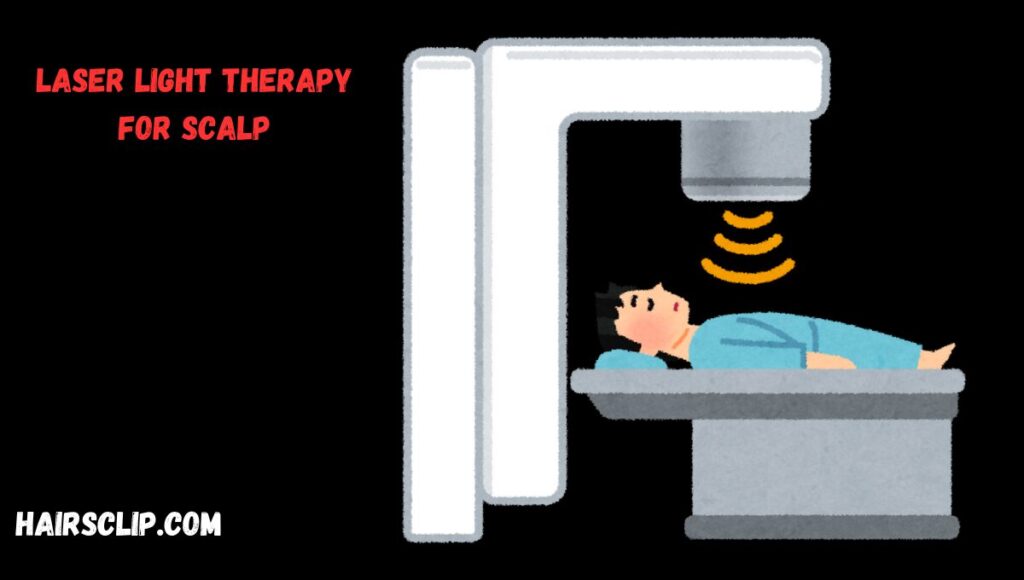
Biomodulation, also referred to as Low-Level Laser Therapy (LLLT), has the same principle of work as red light therapy. The method involves low-level lasers that activate hair follicles to boost growth. This method is safe and has low side effects. It can be used in combination with other therapies.
4. PRP (Platelet-Rich Plasma)
In this method, a small amount of blood is taken from the person experiencing hair loss. This blood is then rotated in a centrifugal machine to separate and concentrate the platelets. The concentrated PRP is injected directly into the scalp to promote hair growth. This method is more complex than red light therapy and can require several sessions.
Conclusion
To sum up, red light therapy is a safe choice for hair growth and hair betterment that can be used by both men and women. If you have decided to use red light therapy for hair growth, then you need to expose your scalp to red light about 2 to 3 times a week for 15 to 20 minutes.
This method can be applied alone or with other hair loss treatments. Each method has pros and cons, and the most suitable one for you depends on what is most important to you.
FAQs
Does red light therapy block DHT?
No, red light therapy does not affect the hormone DHT (dihydrotestosterone) directly. It works by activating the roots of hair and increasing blood flow to boost hair growth.
Is Red Light Therapy Good for Your Hair?
Yes, this method can be beneficial for your hair health. It helps stimulate hair follicles, improves blood flow, and increases hair growth. Many people find it effective for improving hair volume and health.
How Much Does Red Light Therapy Cost?
The cost of red light therapy depends on where you are taking these sessions. At-home devices range from $100 to $500, while professional treatments in clinics might cost between $200 and $1,000 per session, depending on the device and location or brand.
Does Red Light Therapy Hurt?
This technique does not hurt you. It’s a safer treatment that uses low-level light to stimulate hair roots and it is a generally painless, safe, and comfortable treatment.
One Comment