
Can An Itchy Scalp Be A Sign of Hair Growth? Uncover the Connection
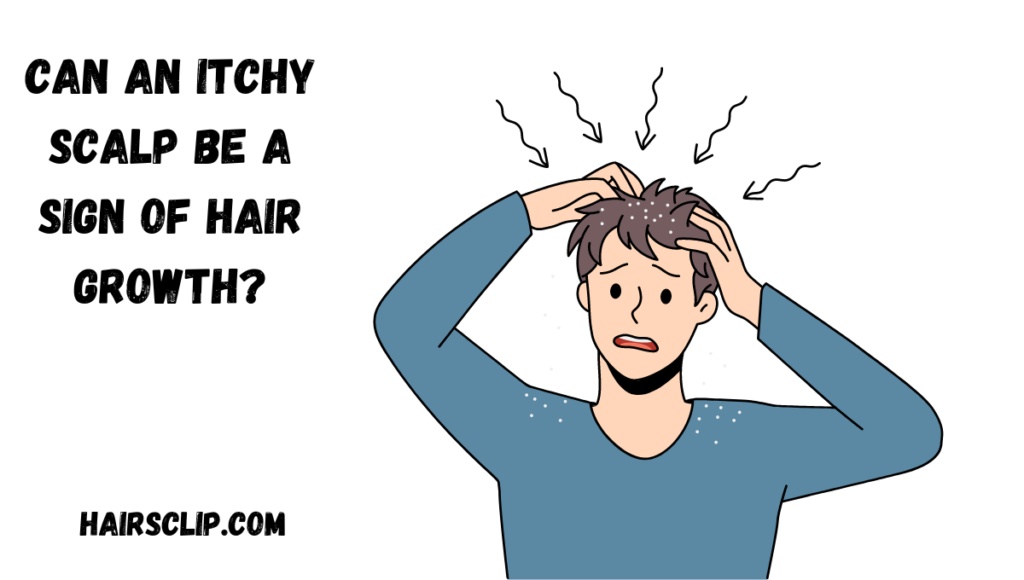
The itchy scalp is usually an irritating situation that ruins our pleasant moments. But have you ever thought about what causes the scalp to be itchy? Well, there are so many causes for this condition but here our concern is that can an itchy scalp be a sign of hair growth. Once our hair completes its life span, it is replaced by new hair which usually leads to irritation on the scalp. In this blog, we will understand the connection between hair growth and scalp itching. It will also provide insight into the other potential causes and home remedies for comforting the itchy scalp.
Understanding the Connection Between Itch and Hair Growth
The Itching Phenomenon
The itching in the scalp is a common condition caused by various factors like dandruff, dryness, or allergies. This condition is quite irritating and painful. However, the scalp itching is sometimes a sign of hair growth. The regeneration of hair causes temporary scalp itching, which usually gets resolved on its own without any treatment.
The Hair Growth Cycle
Understanding the hair growth cycle is necessary to relate scalp itching with hair growth. The growth cycle is a continuous process in which the growth phase shows rapid division of hair follicles that lasts for 2 to 6 years. In the second phase, the hair growth slows down and hair is detached from the root.
While talking about the relation between scalp itching and new hair growth, the last phase has a process known as telogen effluvium. It is characterized by the shedding of the old hair due to pressure exerted by the new hair which begins to grow. This eventually leads to the falling of the old hair, which can cause temporary scalp itching.

Identifying Itchy Scalp as a Sign of Hair Growth
New Hair Growth
An itchy scalp can often be considered a sign of new hair growth. For this, you must take into account certain signs. When you notice prominent new hair growth and scalp itching side by side, it shows that the itching is related to the growth cycle of hair.
You will also notice an increased rate of hair shedding or changes in hair texture. The presence of these signs and the absence of dandruff, dryness, or allergies will lead you to conclude that the new hair growth is the cause of scalp itching.
Scalp Irritation and Regeneration
The scalp gets highly irritated during its shedding process. The irritation causes stimulation of nerve endings present in the scalp, which creates the itching sensation. This itching is considered a sign of regeneration of hair follicles for new hair.
At this time, the scalp needs more nutrients and oxygen for the hair follicles. For this purpose, the body increases the blood supply to the scalp, which sometimes leads to a temporary itching sensation. Once the scalp gets adjusted to the increased blood supply, the itching begins to disappear.
Itching is a Part of the Healing Process
The body’s healing system comes into action when the scalp is damaged. This system considers this as an inflammation, thus increasing the blood supply to the scalp. It also starts the formation of new cells to repair the damaged scalp, which causes irritation. So itching can easily be rendered as a part of the normal growth cycle of hair.
Itching And Regrowth of Hair After Waxing
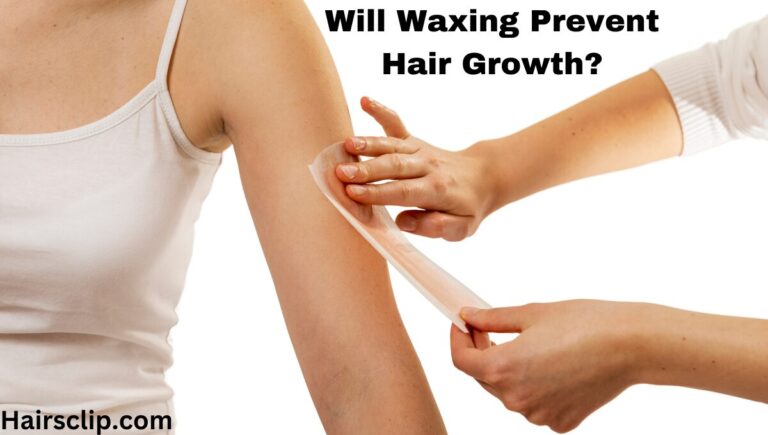
The regrowth of hair after waxing is usually irritating and causes skin itching. This is usually due to ingrown hair, inflammation, and dryness of skin due to waxing. This condition can be alleviated by exfoliating the affected area and deeply moisturizing it. Do not touch the affected area frequently. If the condition gets worse, seek medical help.
Other Causes of Itchy Scalp
According to the research published in Skin Appendage Disord, scalp itching is the most common dermatological issue. Besides new hair growth, it has many other causes as well.
Dandruff
The most common cause of irritation in the scalp is dandruff. This condition is characterized by excess production of skin cells, which then flake off and accumulate on the scalp, leading to itching and even hair loss. Its production is usually related to the overgrowth of a fungus called Malassezia.
Dandruff is easily visible in the form of white scales on the skin, causing itching and redness. For treating this condition, anti-dandruff shampoo containing ketoconazole, zinc pyrithione, or selenium sulfide is used. In severe conditions, you must consult a dermatologist.
Psoriasis
Psoriasis, according to research published in the International Journal of Molecular Science, is an autoimmune and genetic disorder. In this condition, the keratinocytes proliferate uncontrollably, leading to the formation of thick, red patches on the scalp covered with white scales.
It is usually thought to be caused by hyperactivity of the immune system. Psoriasis causes itching and burning at that point. In severe conditions, it can also lead to hair loss. Proper treatment for psoriasis is not yet available. However, the symptoms of this condition can be managed by topical and systemic medications and light therapy.
Allergies
An itchy scalp can sometimes be caused by allergic reactions to certain extrinsic factors such as hair care products, fragrances, dyes, and pollen. For identifying the potential cause, you should keep a record of the activities that might help identify the culprit allergens.
The allergy is characterized by itching, redness of the affected spot, and hair loss. Once you know the right cause, these reactions are easy to manage. Avoid contact with the allergen. If not possible, use antihistamines or allergy medications prescribed by your doctor.
Dry Scalp
The drying of the scalp can be a result of variable factors like harsh weather, overwashing of hair, using harsh hair products, and certain skin conditions. Those with dry scalp will experience itching, flaking, and redness on affected parts.
To control this situation, use products that provide necessary moisturization and hydration to the scalp. For washing the hair, use lukewarm water instead of hot water.
Itchy Scalp and Hair Thinning
At the beginning, we studied that itchy scalp is a sign of hair growth but research in the Journal of American Academy of Dermatology shows that it can be linked to hair loss in certain conditions. The major ones are given below:
- Chronic scalp irritation sometimes causes inflammation of the scalp leading to damage of hair follicles. This halts the growth of new hair and causes the falling of existing hair.
- Frequent scratching of the scalp can also lead to damage of hair follicles, causing hair fall and breakage.
- High-level stress can also cause itchy scalps and hair loss. It disrupts the normal hair growth cycle, leading to the weakening of hair.

Home Remedies for Itchy Scalp
Apple Cider Vinegar Rinse
Being antibacterial and antifungal, apple cider vinegar aids in controlling the growth of microbes by regulating the scalp’s pH. It also soothes the scalp by removing product buildup.
Mix water and vinegar in equal amounts and apply it to the hair after washing and conditioning. Leave the hair for a few minutes, followed by thorough rinsing with water.
Tea Tree Oil Shampoo
Tea tree oil shampoo has antibacterial qualities and acts as an antiseptic. It reduces the growth of bacteria and fungi. It is easily available in markets and can also be prepared at home. Add a few drops of tea tree oil to your regular shampoo and apply to the hair. Wait for a few minutes before rinsing with water.
Aloe Vera Gel
Aloe vera gel is highly appreciated for its soothing and moisturizing properties. It provides hydration to the scalp by minimizing the inflammation and itching. First, you will need to make aloe vera for hair growth. Apply a small amount of this aloe vera directly to the hair and massage gently. Leave the hair for a few minutes and rinse with water.
Coconut Oil Scalp Massage
Being enriched with fatty acids, coconut oil is a great nourishment for itchy scalp. It helps in promoting blood supply to the scalp and enhances hair growth. Take out a small amount of coconut oil and massage it onto the scalp. Leave the hair overnight, followed by shampooing and conditioning in the morning.
While using these home remedies, one must perform a patch test prior to use to check the adverse effects on the skin. If the itchy scalp lasts for a longer time, consult a dermatologist. To get visible results, one must use these remedies consistently.

Conclusion
So by understanding the itchy scalp as a sign of new hair growth, you can manage your hair scalp more efficiently. Hair growth causes scalp itching when the new hair pushes the old and dying hair. Besides hair growth, several other conditions, such as dandruff and allergies, can also cause itchy scalp. The itching due to hair growth is usually short-lived and can be treated through home remedies. However, if you are experiencing long-term scalp irritation, you must consult a dermatologist for a correct diagnosis of your condition and a prescription for appropriate treatment.
FAQs
- Is an itchy scalp always a sign of hair growth?
No, besides hair growth, several other factors are also involved in causing itching of the scalp. These include dandruff, allergy, psoriasis, dry scalp, etc.
- When should I see a dermatologist for an itchy scalp?
When the itchy scalp condition persists for a longer time or you observe hair loss, redness, or scaling on the scalp, it’s time to see a dermatologist. They will help in diagnosing the real cause and treating it accordingly.
- Can stress contribute to an itchy scalp?
Yes, high levels of sudden stress can disrupt the hair growth cycle, leading to hair fall and an itchy scalp. The stress can be managed through meditation, exercise, and deep breathing.
- Can an itchy scalp be a sign of a serious medical condition?
Although scalp itching is usually harmless but in certain situations it can lead to serious conditions like hair loss, scalp redness, or scaling. It is advised to consult the physician at the right time to control the situation.